 D@ariis
The steel industry is a main pillar of the economy and construction worldwide. Beams, as one of the most important steel products, are used in building projects, bridge making, and various industries. But before these beams reach the customer, they must be stored properly in warehouses. Warehousing in the steel industry plays a key role in keeping product quality, cutting costs, and boosting efficiency. In this article, we look at the importance of beam warehousing and how to manage them in industrial warehouses.
Beams need careful management in storage because of their heavy weight, large size, and high value. If not stored right, they can get damaged, rust, or even go missing, leading to money loss. Good warehousing prevents these issues and helps factories and companies deliver products faster and in better quality to customers.
Benefits of Proper Warehousing:
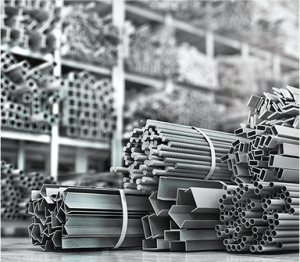
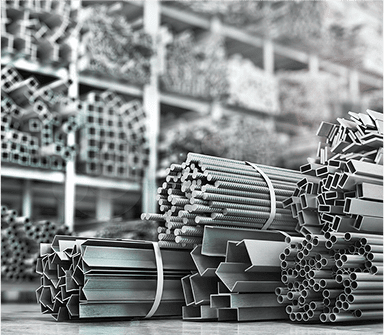
Beam warehousing needs planning and following a few simple but key rules. Beams are usually kept in large, covered warehouses to protect from rain, moisture, and direct sun. Proper stacking and using the right equipment for moving them is also important.
Key Tips for Beam Warehousing:
Warehouses are not just storage spots; they are part of the steel supply chain. When beams move from the factory to the warehouse, they must be managed to reach customers on time. Good warehousing keeps building or industrial projects on schedule. For example, a construction company needing a specific beam can get it easily from the supplier’s warehouse.
Benefits of Warehousing in the Supply Chain:
Beam warehouses can be risky due to heavy products and moving equipment. Worker safety is very important here. Workers should use protective gear like safety helmets, special shoes, and gloves. Proper training for using cranes and forklifts is needed to avoid accidents.
Safety Tips in Warehouses:
Beam warehousing in the steel industry plays a big role in keeping product quality, cutting costs, and improving the supply chain. With proper warehouse management, we can prevent beam damage and ensure products reach customers on time and in good shape. Following simple rules like neat stacking, dry storage, and worker safety can make a big difference in an industrial warehouse’s success. In the end, good warehousing means better performance for the whole steel industry.