
 D@ariis
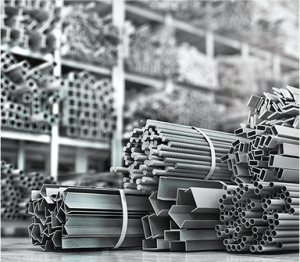
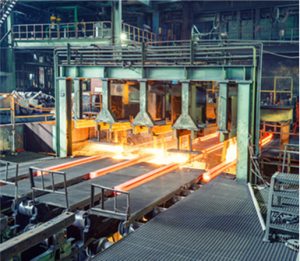
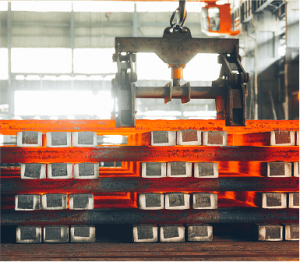
Steel factories are places where heavy products like beams, sheets, and metal blocks are produced. To run smoothly, every step needs good supervision and planning. Supervisors watch the work, and planners set schedules and goals. This helps avoid waste, keep workers safe, and finish products on time. In this article, we explain the importance of supervision and planning in steel factories in a simple and general way.
Supervision means watching and guiding workers to make sure tasks are done right. In steel factories, a supervisor checks machines, materials, and team performance. They spot problems early, like a machine not working well, and fix them quickly to keep production going.
Main Tasks of Supervisors:
Planning means deciding what to do, when, and how. In steel factories, planners make schedules for raw materials, production steps, and delivery. They calculate how much steel is needed and when machines should run to avoid delays.
Key Parts of Planning:
Without good supervision, mistakes can happen, like poor welds or wasted materials. Without planning, the factory might run out of supplies or miss deadlines. Together, they make work efficient, reduce costs, and improve safety.
Benefits of Supervision and Planning:
Planning sets the roadmap, and supervision makes sure everyone follows it. For example, a planner schedules cutting steel bars at 8 AM. The supervisor checks if tools are ready, workers are trained, and the job starts on time. They report back if changes are needed.
Simple Steps in the Process:
Supervision and planning are needed in every stage, from melting raw materials to packing finished beams. They ensure furnaces run at the right temperature, cutting is accurate, and trucks load on schedule. This keeps the factory productive and competitive.
Practical Examples:
Good planning includes safety rules, like rest breaks and tool checks. Supervisors enforce them by watching workers use helmets and gloves. They also plan training sessions to teach safe ways to handle heavy loads.
Important Safety Tips:
Supervision and planning are key to success in steel factories. They make production smooth, efficient, and safe, leading to high-quality products. With strong plans and watchful supervisors, factories can meet goals, save money, and grow. In the end, these roles show smart management in the steel industry.






It was a good and useful article
Thank you, that’s very kind of you