 D@ariis
The steel industry is one of the most important in the world. It plays a key role in construction, car making, and many other parts of the economy. In steel factories, workers deal with heavy equipment and tough working conditions. In such places, cooperation and communication among workers not only improve efficiency but also boost safety and work quality. In this article, we look at the importance of cooperation and communication in steel factories and explain their role in creating a safe and effective workplace.
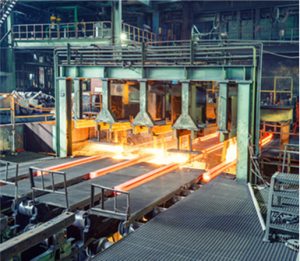
Steel factories are busy and complex places where heavy machines, hot raw materials, and detailed processes are used. In this setting, teamwork among workers is needed to do tasks safely and well. Cooperation means working as a team, sharing information, and supporting each other in hard situations. For example, when two workers in a steel factory talk about production steps or safety tips, this talk can prevent mistakes and lead to better decisions.
Benefits of Worker Cooperation:
Communication in steel factories is not just casual talk; it includes sharing important details about equipment status, production stages, or environment conditions. Experienced workers can pass valuable tips to newer ones. For example, in a steel plant, a worker might explain to a colleague how to handle melting furnaces or spot signs of machine failure. This kind of exchange makes everyone on the team more aware and prepared.
Examples of Important Communication in the Factory:
One of the biggest effects of cooperation and communication is on safety. Steel factories have many risks like high furnace heat, chemicals, and heavy tools. If workers do not connect well, serious accidents can happen. For example, a worker might warn a colleague to stay away from a dangerous area or explain the right way to use safety gear. This teamwork can save lives.
Tips to Improve Safety:
Cooperation and communication in steel factories are not optional—they are necessary. These two help workers operate in a safer and more efficient setting. When workers talk, share knowledge, and learn from each other, not only does work quality improve, but their sense of team belonging and motivation grows too. In the end, a workplace that values cooperation and communication helps the whole factory succeed.