 D@ariis
The steel industry is one of the most important in the world. Its products are used in construction, car making, and many other areas. A key step in steel production is melting and shaping. In this stage, raw materials are melted in large furnaces and turned into shapes like beams, sheets, or bars. This article explains this process, its importance, and how it is done in steel factories in a simple and general way.
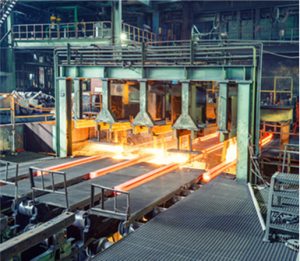
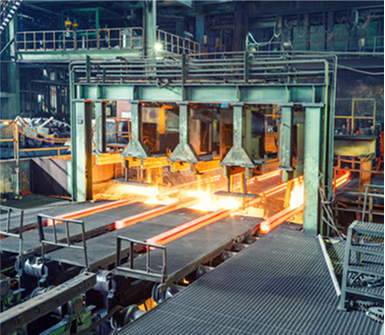
Steel melting is done using special furnaces with very high temperatures. Raw materials like iron ore, scrap metal, and additives are placed in these furnaces to become liquid. This liquid, called “molten steel,” is the base for making steel products.
Main Melting Steps:
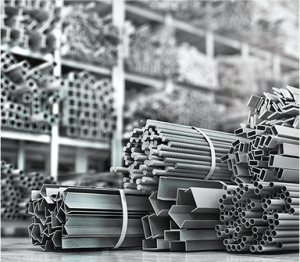
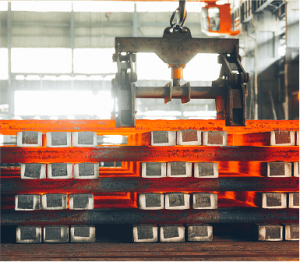
After the steel is ready as a liquid, it is time to shape it. Molten steel is moved to special molds or shaping machines to become different products. This step is very important because it sets the final shape and quality.
Shaping Methods:
Each method is chosen based on the final product. For example, beams are usually made by rolling, while smaller parts may use casting.
This process is the heart of steel production. Without melting and shaping, raw materials cannot become useful products like beams or sheets for different industries. The quality of this process greatly affects the strength and durability of the final products.
Benefits of a Good Process:
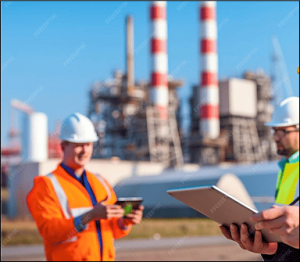
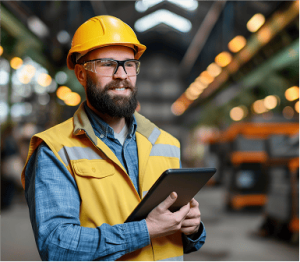
Working with molten steel is very dangerous due to high heat and heavy equipment. Workers in this factory section must be careful and use safety gear like heat-resistant clothes, protective glasses, and safety helmets. Close supervision and regular maintenance of furnaces and machines prevent accidents.
Safety Tips:
The melting and shaping of steel is one of the most important steps in producing steel products. It requires precision, skill, and advanced equipment. This process not only turns raw materials into useful items but also helps the whole steel industry succeed with quality and safety. By following safety rules and good management, steel factories can make high-quality products that play a big role in daily life and large industrial projects.