 D@ariis
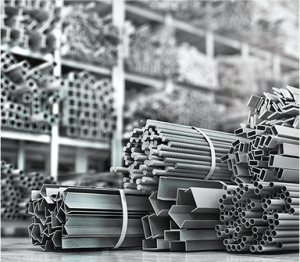
Steel factories are places where heavy products like beams, sheets, and metal blocks are made. Moving these products is hard because of their weight. Handling tools like cranes, forklifts, and mechanical arms help workers do this job easily and safely. In this article, we explain the importance of these tools in steel factories in a simple and general way.
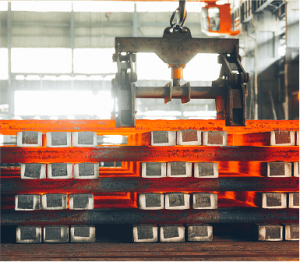
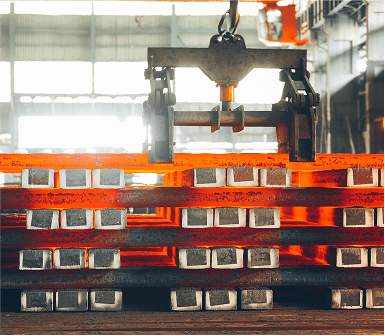
Handling tools are devices designed to lift and move heavy loads. In steel factories, these include mechanical arms with claws, overhead cranes, and forklifts. They go over blocks or other products and move them carefully to different parts of the factory or to trucks.
Types of Handling Tools:
In steel factories, products are usually very heavy, and workers cannot move them by hand. Handling tools not only make the job easier but also save time. They help production go faster and keep workers from getting too tired.
Benefits of Using These Tools:
Handling tools usually run on motors or hydraulic systems. For example, a mechanical arm with claws goes over the blocks, the claws grab them, and it lifts gently. Then, the operator guides the tool to take the blocks to the desired spot, like storage or a truck. This needs skill and care so nothing gets damaged.
Simple Usage Steps:
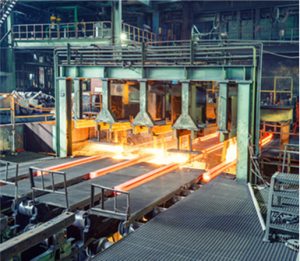
Handling tools play a part in every stage of steel production. For example, raw blocks move from furnaces to shaping areas, or finished products go to storage. Without these tools, moving materials would take too long and might stop production. They keep the factory active and running smoothly.
Practical Examples:
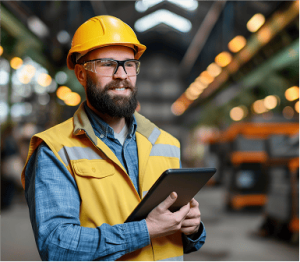
Working with handling tools requires following safety rules. Workers must be trained to know how to use them. Tools should be checked regularly to avoid breakdowns. Wearing safety helmets and reflective vests is also essential to protect workers.
Important Safety Tips:
Handling tools like mechanical arms and cranes play a very important role in steel factories. They make work easier, faster, and safer, and help produce high-quality products. With proper use and safety rules, these tools help factories work better and deliver products to customers on time. In the end, these tools show progress and smart ways in the steel industry.