 D@ariis
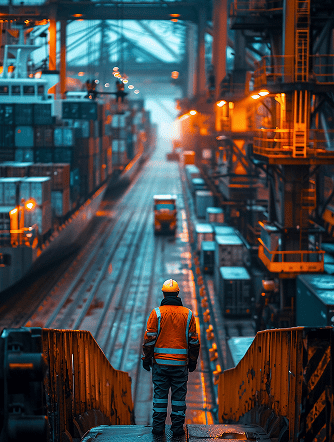
In Iran’s steel industry, managing logistics and moving raw materials and finished products plays a key role in project success. The image of a man looking down from stairs at a yard full of containers and handling tools shows careful supervision of logistics operations. This process, from transporting steel ingots to delivering sheets and profiles, is the heart of industrial projects. This article, in simple language, looks at the importance of logistics supervision in Iran’s steel projects, ways to manage containers, and its impact on the industry. If you are interested in industrial projects, this text will introduce you to this vital process.
Logistics in steel projects includes transport, storage, and material handling. In Iran, with over 30 million tons of steel produced each year, efficient container management is needed to cut costs and speed up projects. Factories like Mobarakeh Steel or Isfahan Steel move hundreds of containers of ingots, sheets, and beams daily. Close supervision, like in the image, ensures materials reach their destination on time and projects go without delays.
Container management in Iran’s steel projects includes several steps:
A Sample Project: Logistics in Building an Industrial Shed
One recent successful project was building a large industrial shed to store steel products. It included these steps:
Good logistics not only speeds up projects but also helps the economy. In Iran, this process creates thousands of jobs each year for drivers, crane operators, and supervisors. It also reduces material waste and helps the environment. Neat yards and close supervision improve worker safety too.
Supervision of logistics operations, like the image of a supervisor at the top of the stairs, is the backbone of Iran’s steel projects. With careful planning and modern tools, containers move on time, and projects succeed. If you work in steel or logistics, think about partnering with reliable local companies and using modern tools to boost your project efficiency.