 D@ariis
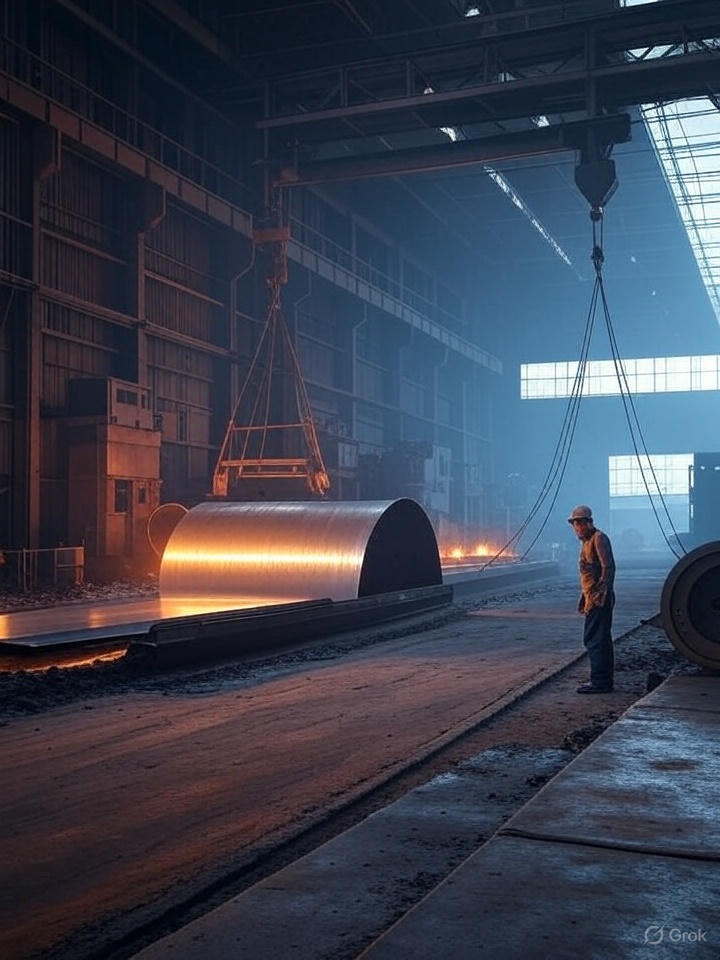
Steel sheets are among the most important products of Iran’s steel industry. They are used in construction, car making, and other sectors. With over 12 million tons of sheets produced yearly in the country, this product plays a key role in the economy and infrastructure growth. The production process of steel sheets, from melting raw materials to final rolling, combines technology and skill. This article, in simple language, looks at the stages of steel sheet production in Iran, their types, and applications. If you are interested in the steel industry, this text will introduce you to this vital process.
Steel sheet production in Iran includes several main stages done in factories like Mobarakeh Steel, Khuzestan Steel, and local rolling companies. Below, we review these stages and applications:
The process starts with melting raw materials in electric arc or blast furnaces. Scrap metal or sponge iron turns into liquid steel at about 1600 degrees Celsius. In Iran, over 60 percent of raw materials come from local sources, which cuts costs.
Liquid steel is poured into molds to make ingots or slabs. Slabs, which are thick initial sheets, are prepared for rolling. In large factories, continuous casting machines increase speed and precision in this stage.
Slabs are heated in preheating furnaces to 1200 degrees and then pass through hot rolling rollers. This reduces thickness to 1 to 50 millimeters. Hot-rolled sheets are suitable for building projects, like bridges and sheds. In Iran, Mobarakeh Steel produces over 7 million tons of hot sheets a year.
For thinner sheets with smooth surfaces, like those for cars, cold rolling is done. This happens at room temperature and needs high precision. Companies like West Asia Steel are active in this area.
Sheets are cut to desired sizes with cutting machines and tested with ultrasonic devices to meet national standards (like ISIRI).
A Sample Project: Sheet Production for the Car Industry
One recent successful project was making thin sheets for car bodies in a local factory:
This project showed that local technology can compete with global quality.
Types of Sheets and Applications
Challenges and Progress
Challenges like high energy use and equipment sanctions exist, but with local technology, Iran has become self-sufficient in sheet production. This industry creates over 5,000 jobs a year.
Steel sheet production in Iran, from melting to rolling, is the base for many industries. This process, with modern technology and skilled workers, meets local and export needs. If you work in the steel industry, partnering with reputable factories or joining Iran’s steel exhibitions can create new opportunities for you.